


Hot Dipped Galvanized Steel Price Trend: Market Analysis, Drivers, and Outlook
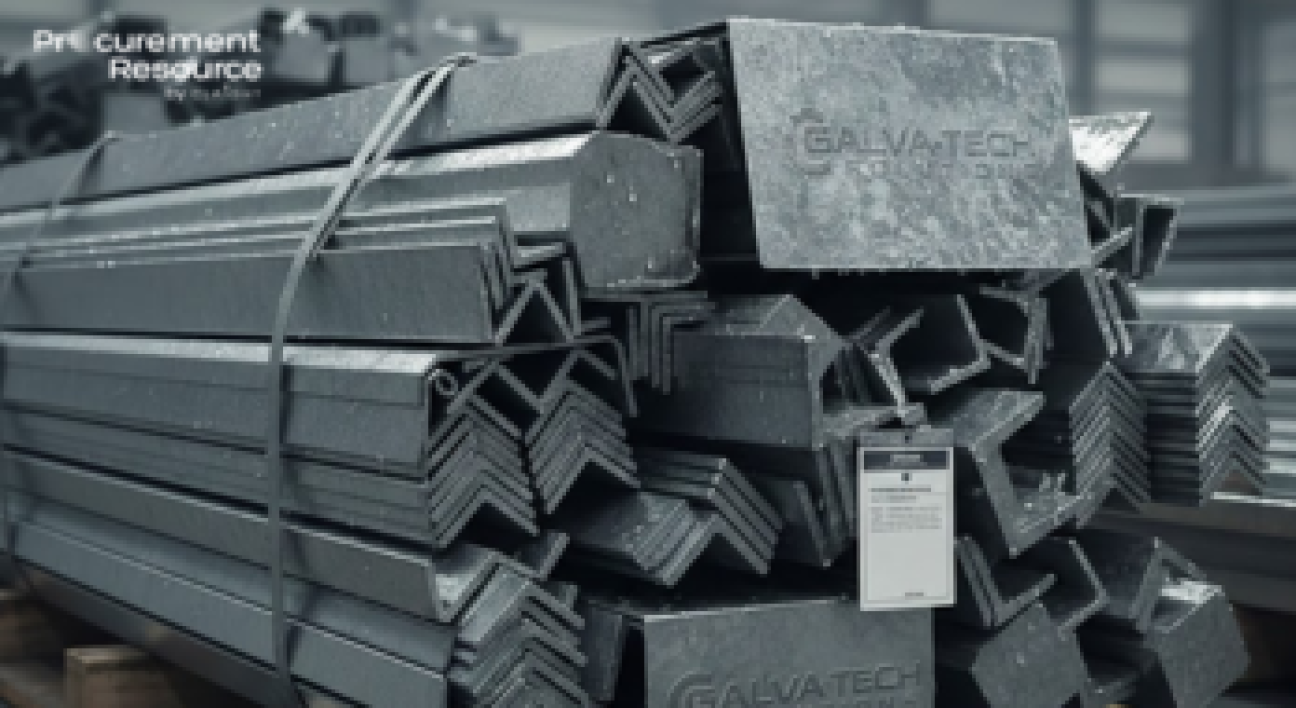
The Hot Dipped Galvanized (HDG) Steel Price Trend is a key indicator for industries such as construction, automotive, infrastructure, appliances, and renewable energy. Hot dipped galvanized steel is produced by coating carbon steel with a protective layer of zinc through a hot-dip process, significantly improving corrosion resistance and extending service life. Because it is widely used across both cyclical and non-cyclical sectors, HDG steel prices often reflect broader movements in the global steel and raw material markets.
In recent years, HDG steel prices have shown notable volatility, influenced by raw material costs, energy prices, supply chain conditions, and demand from major end-use industries. Understanding these price trends is essential for manufacturers, traders, contractors, and procurement professionals aiming to optimize purchasing decisions and manage cost risks.
What Is Hot Dipped Galvanized Steel?
Hot dipped galvanized steel is manufactured by immersing cleaned steel sheets, coils, or fabricated components into molten zinc. This process forms a metallurgically bonded zinc coating that provides long-term protection against rust and environmental degradation.
Key advantages of HDG steel include:
-
Superior corrosion resistance
-
Long service life with minimal maintenance
-
Cost-effectiveness over the product lifecycle
-
Strong performance in outdoor and harsh environments
Due to these benefits, HDG steel is commonly used in roofing sheets, structural components, guardrails, transmission towers, automotive body parts, and agricultural equipment.
Overview of Hot Dipped Galvanized Steel Price Trend
The HDG steel price trend generally follows movements in flat steel products such as hot rolled coil (HRC), with additional premiums driven by zinc prices and galvanizing costs. Over the past few years, prices have experienced cycles of sharp increases followed by corrections.
Periods of strong construction activity and infrastructure spending typically push prices higher, while slowdowns in real estate, manufacturing, or exports can soften demand and stabilize or reduce prices. Global events, including energy price spikes and trade policy changes, have also played a significant role in shaping recent trends.
Key Factors Influencing HDG Steel Prices
1. Zinc Price Fluctuations
Zinc is a primary input in the galvanizing process, and its price has a direct impact on HDG steel costs. Any disruption in zinc mining, smelting, or supply chains can quickly translate into higher galvanized steel prices.
2. Steel Substrate Costs
Hot rolled and cold rolled steel prices form the base cost for HDG steel. Rising iron ore, coking coal, and scrap prices tend to push up base steel prices, which then flow through to galvanized products.
3. Energy and Production Costs
Galvanizing is energy-intensive. Increases in electricity, natural gas, or fuel prices raise operating costs for steel mills, contributing to upward pressure on HDG steel prices.
4. Demand from End-Use Industries
Construction and infrastructure projects are major demand drivers. Growth in housing, highways, power transmission, and renewable energy installations typically supports higher prices, while slowdowns can ease market pressure.
5. Trade Policies and Duties
Import-export restrictions, anti-dumping duties, and safeguard measures can significantly affect regional price trends. Reduced imports often tighten domestic supply, leading to price increases.
Regional Price Trend Insights
Asia-Pacific
Asia-Pacific is the largest producer and consumer of hot dipped galvanized steel. Prices in this region are influenced by infrastructure development, automotive production, and export demand. Competitive production costs often keep prices relatively lower compared to other regions, though volatility can still occur due to raw material swings.
Europe
European HDG steel prices are more sensitive to energy costs and environmental regulations. High power and carbon compliance costs have contributed to elevated price levels in recent years, especially during periods of strong construction demand.
North America
In North America, prices are driven by construction activity, automotive output, and trade measures. Domestic supply constraints and tariffs on imports have historically supported higher HDG steel prices compared to Asia.
Supply Chain and Inventory Dynamics
Supply chain efficiency plays a crucial role in HDG steel pricing. Disruptions in logistics, port congestion, or shortages of zinc and steel substrates can quickly tighten supply. On the demand side, inventory restocking by distributors and manufacturers often leads to short-term price spikes, while destocking phases can soften prices.
Short-Term and Long-Term Price Outlook
In the short term, HDG steel prices are expected to remain sensitive to zinc market movements, energy costs, and construction demand. Seasonal factors, such as increased building activity during favorable weather periods, can also influence pricing.
Over the long term, sustained infrastructure investment, urbanization, and the transition toward renewable energy are likely to support stable demand for hot dipped galvanized steel. However, improvements in production efficiency and increased capacity additions could moderate sharp price increases.
Impact on Downstream Industries
Price movements in HDG steel directly affect downstream sectors. Construction contractors face higher project costs during price upswings, while automotive manufacturers may experience margin pressure. Conversely, stable or declining prices can improve cost predictability and profitability across these industries.
Frequently Asked Questions (FAQ)
1. Why do hot dipped galvanized steel prices fluctuate so frequently?
HDG steel prices fluctuate due to changes in zinc prices, base steel costs, energy expenses, and demand from key industries such as construction and automotive.
2. How does zinc price impact HDG steel pricing?
Zinc is the primary coating material in galvanizing. Any rise in zinc prices directly increases the cost of producing hot dipped galvanized steel.
3. Is HDG steel more expensive than regular steel?
Yes, HDG steel typically costs more than uncoated steel due to the additional galvanizing process and zinc coating, but it offers longer service life and lower maintenance costs.
4. Which industries drive demand for hot dipped galvanized steel?
Major demand comes from construction, infrastructure, automotive, renewable energy, agriculture, and appliances manufacturing.
5. What is the future outlook for hot dipped galvanized steel prices?
Prices are expected to remain moderately volatile in the near term but supported in the long run by infrastructure growth, urbanization, and increased use in corrosion-resistant applications.
