


How Laser Hair Removal Targets Hair Without Damaging Skin
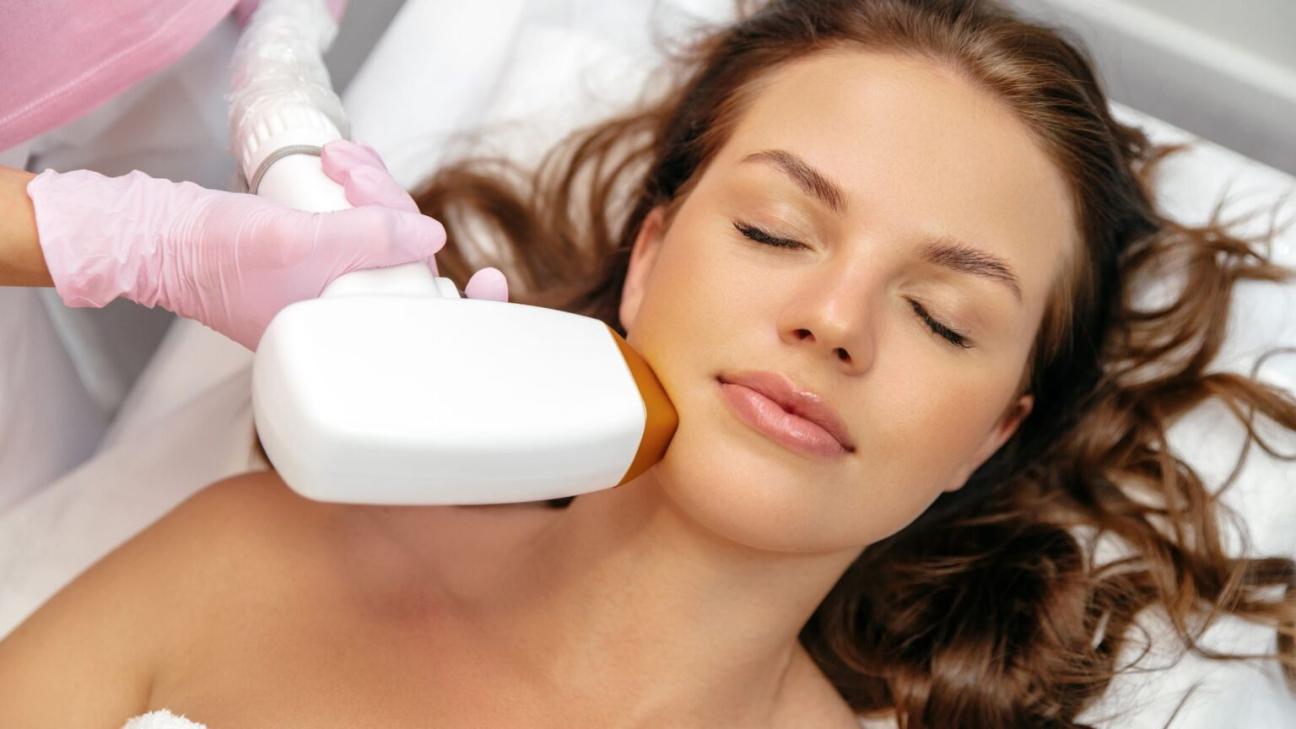
Unwanted hair is a common concern, and traditional methods like shaving or waxing often provide only temporary relief. Laser Hair Removal has become a popular alternative due to its ability to reduce hair growth long-term while protecting surrounding skin. This advanced technology targets hair follicles with precision, ensuring effective hair reduction without causing burns, scars, or other damage to the skin. Understanding how this process works can help patients make informed choices and achieve safe, lasting results.
The Science Behind Laser Hair Removal:
Laser hair removal works on the principle of selective photothermolysis, which allows the laser to focus energy on hair follicles without affecting surrounding tissue. Key scientific aspects include:
-
Lasers emit a specific wavelength absorbed by melanin in hair
-
Energy converts to heat, damaging the follicle to prevent regrowth
-
Surrounding skin absorbs minimal energy, reducing the risk of burns
-
Hair is most effectively treated during the anagen (growth) phase
-
Cooling mechanisms protect the epidermis and enhance comfort
This selective targeting ensures that hair removal is efficient while the skin remains unharmed.
Types of Lasers and Skin Safety:
Different laser types are designed to accommodate varying skin tones and hair types, optimizing results while minimizing skin damage. Key types include:
-
Alexandrite laser: ideal for light to medium skin tones
-
Diode laser: versatile and safe for multiple skin types
-
Nd:YAG laser: penetrates deeply, safe for darker skin
-
Ruby laser: precise for fine or small areas, mainly lighter skin
-
IPL devices: broad-spectrum light for hair reduction with proper filters
By selecting the appropriate laser, clinicians ensure that the treatment targets hair effectively without compromising skin integrity.
Role of Melanin in Hair Targeting:
Melanin, the pigment in hair, is the primary chromophore that lasers target. This allows the energy to focus specifically on the follicle. Important points include:
-
Darker hair absorbs laser energy more efficiently
-
Lighter skin allows better contrast and safer targeting
-
Minimal melanin in surrounding skin prevents unwanted absorption
-
Adjusting wavelength and pulse duration optimizes safety
-
Cooling systems further protect epidermal melanin from excess heat
Understanding the role of melanin helps explain why laser hair removal is precise and reduces skin risk.
Cooling Technologies for Skin Protection:
Modern laser hair removal devices integrate advanced cooling methods to protect skin during treatment. Key features include:
-
Contact cooling tips to maintain skin temperature
-
Cryogen spray cooling before and after pulses
-
Sapphire or chilled glass attachments for comfort
-
Reduces redness, swelling, and irritation
-
Enables higher energy delivery to follicles without damaging skin
Cooling technology ensures a safe and comfortable procedure, even in sensitive areas.
Customizing Settings for Individual Skin Types:
Proper customization of laser settings is essential to prevent skin damage. Considerations include:
-
Adjusting wavelength according to skin tone
-
Modifying pulse duration for hair thickness
-
Calibrating energy levels to balance effectiveness and comfort
-
Selecting treatment intervals to align with hair growth cycles
-
Using professional assessments to avoid burns or hyperpigmentation
Personalized settings maximize results while maintaining skin safety.
Minimizing Side Effects:
While laser hair removal is safe, mild side effects can occur. Effective strategies to reduce them include:
-
Pre-treatment cooling and skin preparation
-
Avoiding sun exposure and tanning before sessions
-
Shaving instead of waxing to preserve the follicle
-
Monitoring skin reaction during treatment
-
Applying soothing creams post-treatment to reduce irritation
These precautions ensure that the skin remains healthy throughout the treatment process.
Treating Sensitive Areas Safely:
Laser hair removal can be safely applied to sensitive regions such as the face, bikini line, and underarms. Safety strategies include:
-
Using appropriate laser type and energy for delicate skin
-
Applying topical numbing agents to enhance comfort
-
Shorter pulse durations for precise follicle targeting
-
Careful assessment of follicle depth and density
-
Cooling mechanisms to minimize redness and swelling
With professional technique, sensitive areas can achieve effective hair reduction without skin damage.
Importance of Professional Administration:
Safety and precision in laser hair removal depend heavily on professional administration. Key considerations include:
-
Proper training and certification of clinicians
-
Assessment of skin type, hair color, and medical history
-
Accurate selection of laser type, wavelength, and settings
-
Monitoring patient response during and after treatment
-
Providing pre- and post-treatment care instructions
Professional oversight ensures that laser hair removal remains both effective and safe for all skin types.
Post-Treatment Care for Skin Health:
Maintaining healthy skin after laser hair removal is essential for minimizing complications. Recommended post-care practices include:
-
Avoiding sun exposure and applying SPF regularly
-
Refraining from hot baths, saunas, or intense workouts for 24–48 hours
-
Using gentle moisturizers and avoiding harsh skincare products
-
Monitoring treated areas for unusual redness or swelling
-
Scheduling follow-up sessions to ensure optimal results
Following these guidelines protects the skin while allowing hair follicles to respond to treatment.
Final Thoughts:
Laser hair removal achieves effective hair reduction by targeting follicles with precision while protecting surrounding skin through selective photothermolysis, cooling technologies, and customized settings. By understanding the role of melanin, choosing the appropriate laser type, and adhering to professional guidelines, patients can enjoy smooth, hair-free skin with minimal risk of burns, irritation, or pigmentation changes. When combined with proper pre- and post-treatment care, laser hair removal offers a safe, long-lasting, and scientifically advanced alternative to traditional hair removal methods.
