


Vintage Engagement Rings: A Guide to Styles, Eras, and Elegance
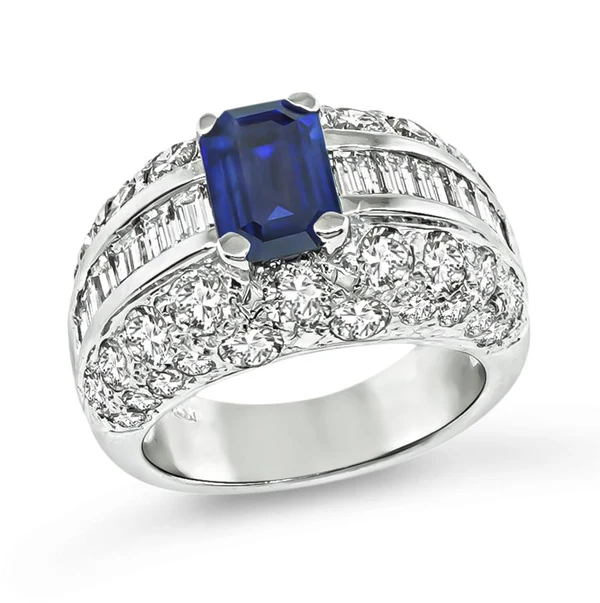
Vintage Engagement Rings capture the romance of another era, blending craftsmanship, symbolism, and artistry into pieces that feel timeless. Unlike modern mass-produced designs, vintage rings carry history in every detail. They reflect the aesthetics, values, and techniques of the periods in which they were created. For couples seeking something meaningful and distinctive, vintage engagement rings offer elegance that transcends trends. Understanding their styles and eras helps buyers appreciate not just their beauty, but their story.
What Defines a Vintage Engagement Ring
A ring is generally considered vintage when it is at least 20–30 years old, while antique rings are over 100 years old. Vintage pieces often showcase hand craftsmanship that is rare today. Each ring is a snapshot of the design philosophy of its time — the metal choices, gemstone cuts, and decorative motifs all reflect the culture of a particular era.
Unlike contemporary rings designed for speed and uniformity, vintage pieces were created slowly and intentionally. Jewelers focused on artistry and individuality, which is why no two authentic vintage rings look exactly alike. This uniqueness is a major reason collectors and couples are drawn to them.
Vintage rings are not simply accessories; they are wearable history.
The Victorian Era: Romance and Symbolism
The Victorian era (1837–1901) was deeply romantic, and its jewelry reflected that sentiment. Rings from this period often featured intricate floral patterns, hearts, bows, and symbolic motifs representing love and devotion.
Gemstones such as garnets, pearls, and old mine-cut diamonds were popular. Yellow gold was the dominant metal, giving Victorian rings a warm, glowing appearance. These pieces were designed to express emotion rather than display wealth.
Victorian engagement rings feel poetic and delicate, appealing to those who appreciate softness and storytelling in design.
The Edwardian Era: Lace in Metal
The Edwardian period (1901–1915) introduced an airy elegance rarely seen before or since. Jewelers began working extensively with platinum, allowing them to create extremely fine, lace-like settings. Rings from this era are characterized by filigree details, milgrain edges, and delicate openwork patterns.
Diamonds and white gemstones were favored, enhancing the bright, ethereal quality of Edwardian jewelry. The craftsmanship required to produce such fine detail was extraordinary, making these rings prized collector pieces today.
Edwardian rings embody grace and refinement, perfect for those who prefer understated sophistication.
The Art Deco Era: Bold Geometry
The Art Deco movement (1920s–1930s) marked a dramatic shift in style. Jewelry became architectural, symmetrical, and daring. Inspired by modernism, skyscrapers, and industrial progress, Art Deco engagement rings feature strong geometric shapes and striking contrasts.
Platinum remained dominant, often paired with diamonds, sapphires, emeralds, and onyx. Step-cut gemstones, such as emerald cuts, were favored for their clean lines and structured appearance.
Art Deco rings appeal to individuals who admire bold design and vintage glamour. They feel modern even today, which explains their enduring popularity.
The Retro Era: Drama and Volume
The Retro period (1940s–1950s) emerged during and after World War II. Jewelry became larger, more sculptural, and expressive. Yellow and rose gold returned to prominence due to platinum shortages during the war.
Retro rings often feature sweeping curves, oversized settings, and dramatic gemstone arrangements. The designs reflect optimism and celebration after a difficult historical period.
These rings suit wearers who appreciate statement pieces with personality and presence.
Why Vintage Rings Feel More Personal
One of the most compelling aspects of vintage engagement rings is their emotional depth. A modern ring begins as a blank object, but a vintage ring already carries history. It may have symbolized a love story decades ago, survived changing times, and been cherished by previous owners.
Wearing a vintage ring creates a connection to the past. It feels intimate, as if you are continuing a story rather than starting from scratch. Many couples find comfort in this sense of continuity.
The imperfections and patina of age add character. These details remind us that beauty evolves over time, just like relationships.
Craftsmanship That Cannot Be Replicated
Vintage rings represent a level of craftsmanship that is difficult to reproduce today. Many were made entirely by hand, using techniques passed down through generations of artisans.
Hand-cut gemstones, intricate engraving, and delicate metalwork required immense skill and patience. These methods prioritized artistry over speed. The result is jewelry with soul — pieces that feel alive rather than manufactured.
Modern reproductions may imitate vintage styles, but authentic pieces possess a depth that comes from age and human touch.
Sustainability and Ethical Appeal
Choosing vintage engagement rings is also an environmentally conscious decision. Because these rings already exist, no new mining or large-scale manufacturing is required. This reduces environmental impact and supports sustainable luxury.
For buyers concerned about ethical sourcing, vintage jewelry offers peace of mind. It allows couples to celebrate love without contributing to modern resource extraction.
Sustainability adds another layer of meaning to the purchase.
How to Choose the Right Vintage Ring
Selecting a vintage ring requires both aesthetic appreciation and practical consideration. Buyers should examine structural integrity, gemstone security, and overall condition. Professional inspection ensures the piece is suitable for everyday wear.
It is also important to choose a ring that resonates emotionally. Vintage jewelry is deeply personal; the right piece should feel like an extension of the wearer’s identity.
Comfort, symbolism, and visual harmony all play a role in the final decision.
The Timeless Nature of Elegance
Vintage engagement rings remind us that elegance is not bound by time. Styles change, trends fade, but true artistry endures. A ring created decades ago can still feel relevant because its beauty is rooted in proportion, craftsmanship, and meaning.
These pieces resist the cycle of fast fashion. They belong to a tradition of permanence, mirroring the commitment they symbolize.
Owning a vintage ring is an act of appreciation — for history, for artistry, and for love that outlives generations.
Final Thoughts
Vintage engagement rings are more than jewelry; they are bridges between eras. Each ring carries the aesthetic language of its time, from Victorian romance to Art Deco boldness. They tell stories of craftsmanship, resilience, and devotion.
Choosing a vintage piece is choosing depth over novelty. It is embracing elegance that has already stood the test of time and will continue to do so. In a world obsessed with the new, vintage rings remind us that some things are meant to endure — and love is one of them.
