


The Science Behind Chemical Peels and Skin Renewal
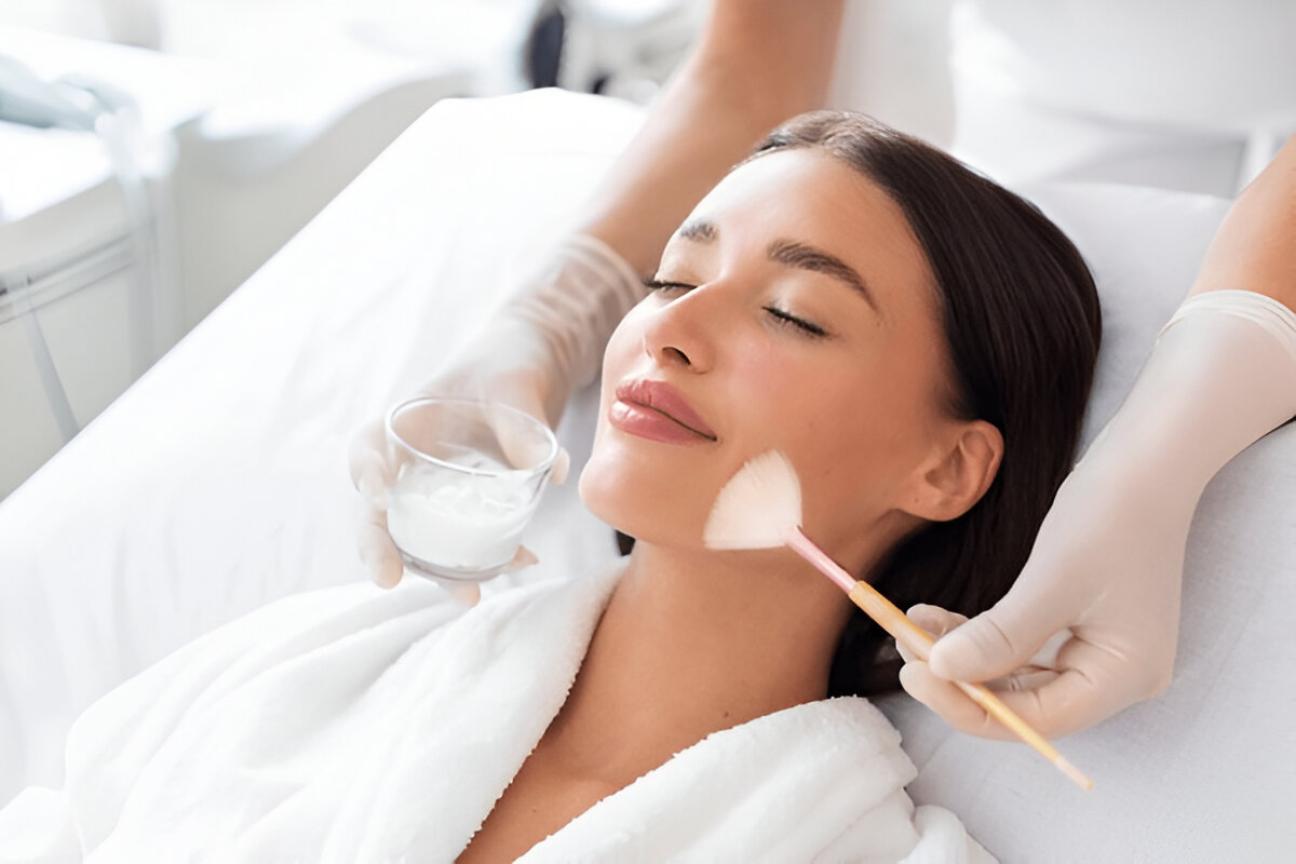
Understanding how skin regenerates and maintains its youthful appearance is key to effective skincare. One of the most impactful treatments for enhancing skin renewal is the Chemical Peel Riyadh, which has gained widespread popularity for its ability to rejuvenate the skin, reduce imperfections, and stimulate collagen production. By exploring the science behind chemical peels, you can better understand how this procedure works and why it is a valuable tool in achieving healthier, smoother, and more radiant skin.
What Is a Chemical Peel:
A chemical peel is a dermatological procedure that involves applying a carefully formulated solution to the skin to exfoliate the outer layers. This controlled exfoliation promotes cell turnover, accelerates skin renewal, and stimulates collagen and elastin production. The treatment can target various concerns such as fine lines, pigmentation, acne scars, and dullness, offering a scientifically backed method to enhance skin texture and overall health.
How Chemical Peels Work:
Chemical peels work by breaking down the bonds between dead skin cells, allowing them to slough off and reveal newer, healthier skin beneath. The process triggers the skin’s natural repair mechanisms, stimulating:
-
Increased cell regeneration
-
Collagen and elastin synthesis
-
Improved skin barrier function
-
Reduction of excess sebum and clogged pores
By understanding the mechanism, patients can appreciate why chemical peels are more than just surface-level exfoliation—they actively encourage the skin to renew itself at a cellular level.
Types of Chemical Peels:
Chemical peels are categorized based on their depth and intended effect:
-
Superficial Peels: Gently exfoliate the outermost layer, ideal for minor discoloration and dullness.
-
Medium Peels: Penetrate deeper layers to address fine lines, uneven pigmentation, and mild scarring.
-
Deep Peels: Reach lower skin layers for significant rejuvenation, targeting pronounced wrinkles, severe sun damage, or deep acne scars.
Selecting the appropriate type ensures that the treatment aligns with individual skin concerns and desired outcomes.
Benefits of Chemical Peels:
Chemical peels offer numerous scientifically supported benefits for skin health and renewal, including:
-
Smoother and more even skin texture
-
Reduction of fine lines and wrinkles
-
Fading of acne scars, dark spots, and hyperpigmentation
-
Brighter, more radiant complexion
-
Stimulated collagen and elastin production
For those exploring Chemical Peel Riyadh treatments, these benefits are particularly relevant due to environmental factors such as sun exposure and dry climate that can accelerate skin aging.
Ideal Candidates for Chemical Peels:
Most adults seeking to improve mild to moderate skin imperfections can benefit from chemical peels. Ideal candidates typically have:
-
Uneven skin tone or texture
-
Sun-damaged skin
-
Acne scars or blemishes
-
Early signs of aging
Individuals with active infections, sensitive skin, or certain medical conditions should undergo professional evaluation before treatment to ensure safety and effectiveness.
Preparing for a Chemical Peel:
Proper preparation enhances treatment results and reduces potential risks. Recommended steps include:
-
Avoiding sun exposure for at least two weeks before treatment
-
Discontinuing retinoids or harsh exfoliating products as advised
-
Maintaining a gentle skincare routine with mild cleansers and moisturizers
-
Informing your provider about medications, supplements, or recent treatments
Preparation ensures the skin is ready to respond effectively to the chemical peel and minimizes post-treatment complications.
What Happens During the Procedure:
A chemical peel session is performed in a clinical setting by a licensed professional. The procedure typically involves:
-
Thorough cleansing of the skin
-
Application of the chemical solution
-
Allowing the solution to penetrate for a specified time
-
Neutralization or removal of the solution if required
Patients may experience mild tingling or warmth, which usually fades quickly, and the session can last between 30–60 minutes depending on the peel depth.
Recovery and Aftercare:
Post-treatment care is essential to ensure optimal results and support skin renewal. Key aftercare steps include:
-
Applying broad-spectrum sunscreen daily
-
Avoiding direct sun exposure and harsh environmental factors
-
Keeping the skin hydrated and using gentle moisturizers
-
Allowing peeling or flaking skin to shed naturally without picking
Superficial peels may involve minimal downtime, whereas medium and deep peels require longer recovery periods with redness, peeling, and increased sensitivity.
Risks and Potential Side Effects:
Although chemical peels are generally safe when performed by trained professionals, potential side effects include:
-
Temporary redness or irritation
-
Mild dryness or peeling
-
Hyperpigmentation or scarring in rare cases
Choosing a licensed and experienced clinic reduces these risks and ensures that the procedure is tailored to the patient’s skin type and concerns.
Frequency and Maintenance:
The frequency of chemical peel treatments depends on the peel type and desired outcomes:
-
Superficial peels: every 4–6 weeks for gradual improvement
-
Medium peels: spaced further apart to allow for skin recovery
-
Deep peels: generally performed once with long-lasting results
Incorporating chemical peels into a consistent skincare routine helps maintain results and supports ongoing skin renewal.
Choosing the Right Clinic:
Selecting a reputable clinic is crucial, particularly when seeking Chemical Peel Riyadh services. Consider the following:
-
Licensed dermatologists or certified skincare specialists
-
Clean, well-equipped, and professional facilities
-
Positive patient reviews and before-and-after results
-
Personalized consultations and treatment plans
A trusted clinic ensures safety, high-quality results, and expert guidance throughout the process.
Final Thoughts
The science behind chemical peels highlights their ability to promote true skin renewal, beyond surface-level exfoliation. By stimulating cell turnover, collagen production, and overall skin repair mechanisms, chemical peels offer a reliable method for achieving smoother, healthier, and more radiant skin. With professional guidance, proper preparation, and adherence to aftercare, chemical peels provide long-term benefits that make them a worthwhile addition to any skincare regimen.
