
One More Game: How Block Blast Tricked Me Into Thinking Ahead
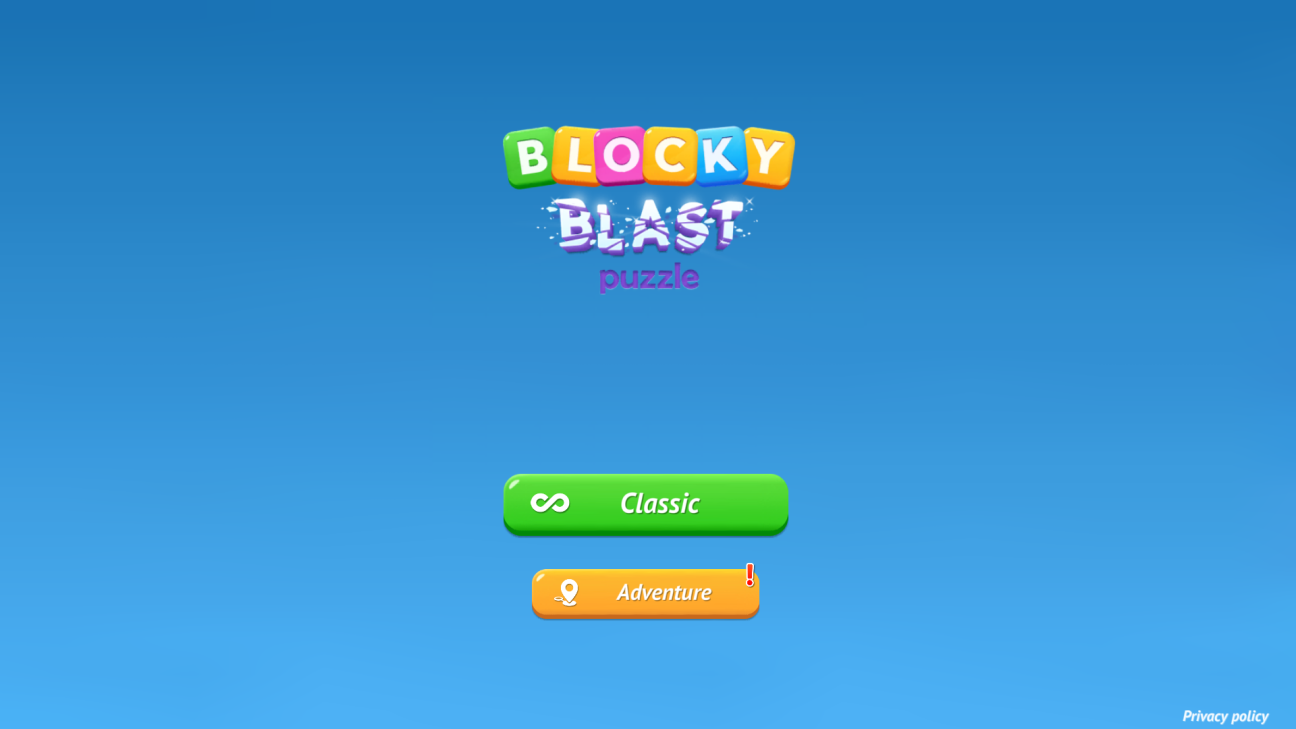
I didn’t come to Block Blast expecting much. I’d been in the mood for something light, a quick block puzzle while I waited for something else to load. The layout is friendly: a 9x9 grid, colorful blocks you drag onto the board, and the satisfying idea that if you complete a full horizontal row or vertical column, those cells clear.
At first, my brain basically treated it like “place the block somewhere that seems fine.” And honestly? That worked… for a while.
The blocks don’t fall like classic falling-block games, so there’s no frantic “react now” energy. You get a set of block shapes and you place them manually. Plus, there’s no countdown timer, which is huge for me. I don’t feel pressured to rush. I can hover, move the piece around, reconsider—then commit. For a casual brain, that’s a relief. I can play at my own pace, which makes it easier to sink into the puzzle rather than fight a clock.
But then the board starts filling up, and Block Blast quietly turns from “easy little puzzle” into something way more demanding.
Discovering the real challenge: keeping the board open
Early on, it feels like you can brute-force your way through. Put a piece down, clear a line, repeat. The game seems straightforward: if you fill a full row or column, it disappears.
The moment that changed for me was when I noticed I was unintentionally creating tiny pockets—small isolated gaps tucked between filled cells. Those gaps look manageable in the moment, like, “Oh, I’ll just fill that later.” But later arrives fast, and suddenly those little holes are the hardest thing in the world to fix. The game makes you feel the difference between “space” and “usable space.” Large open areas are your friend. Narrow, broken fragments of empty cells? They turn into traps.
And since pieces can’t be rotated, you can’t always solve a problem by just flipping a shape into place. You have to work with what you’re given. That means I started thinking about the available pieces as a group, not as one-off opportunities. Before I make my first placement, I’m now asking myself: If I use this piece now, what options does that leave for the next piece?
That’s when Block Blast started to feel genuinely strategic.
The regret cycle: obvious moves that backfire
I definitely had moments where I thought I’d made the smart, obvious choice. There’s something tempting about placing an “easy” piece quickly—especially if it seems like it will clear something immediately. A lot of the time, the clears are real and satisfying. Sometimes one placement even clears multiple rows or columns at once, and it feels like the board briefly gives you a favor.
But I also learned the hard way that chasing those quick clears can be risky. More than once, I placed something fast because it seemed like it would tidy up the grid. Then a couple moves later, I’d be staring at the board like, “Wait… why is this so messy?” The bad decision wasn’t catastrophic—it just created the wrong shape of emptiness. An awkward little gap appeared where I didn’t need one. And once that gap exists, it controls the rest of the round.
That’s the frustrating part: Block Blast doesn’t punish you with a timer. It punishes you with consequences. Quietly. Over a few placements.
Mistakes I made (and what I learned)
My biggest mistake was assuming that the goal is to clear lines as often as possible. At the start, I was basically optimizing for the most satisfying outcome in front of me.
What I learned instead is that saving space matters more than chasing a quick clear. The “better” play is often the one that keeps open areas large and flexible—so future pieces have room to land. When I started doing that, my stuck moments changed from frequent to occasional.
Another mistake: underestimating how planning several moves ahead changes everything. Once I started deliberately thinking two or three placements forward, the game felt less like luck and more like a puzzle with a solution path. Still not perfect—because you don’t control the exact pieces you get—but I could at least spot when my current placement was going to box me in later.
And there’s a weird satisfaction when it clicks: you feel the board opening up instead of shrinking.
A few casual tips that actually helped me
First, I try to treat the upcoming set of pieces like they’re already in my head. Instead of “Where can I put this one?”, I ask “Where can this one go without ruining what I’ll need next?”
Second, I avoid creating isolated gaps unless I’m confident the shape of that gap matches something in the pieces I still expect to see.
Third, when I do get a placement that clears multiple lines, I don’t automatically over-celebrate. I watch what kind of empty space remains, because sometimes you clear lines and still end up with a board layout that’s hard to finish.
Conclusion: try Block Blast, then play along with me
Now when I open Block Blast , I still start with that same casual attitude—but a few rounds in, I always end up doing the same mental shift: slowing down, planning ahead, and being way more careful about where I place a piece. It’s fun in a “one more game” kind of way, because the challenge doesn’t feel unfair. It just grows as the board fills up.
If you want a browser game that looks simple and then quietly demands your attention, give Block Blast a try. Play a round, and pay attention to when you feel tempted to place something fast. Then do it again, but try to keep the board open a little longer.
And if you’re up for it—tell me how your game goes. We can compare those moments when the board suddenly refuses to cooperate.
